Interview With My Opa


Q: When and where were you born?
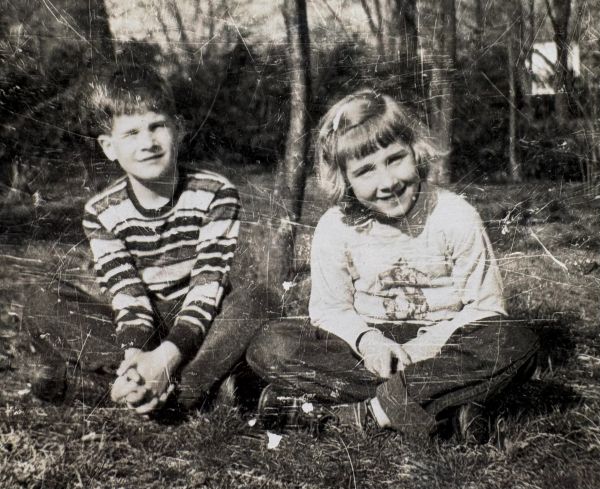
A: I was born at Abington Hospital in Jenkintown, Pennsylvania, on January 13, 1944. I was technically a “war baby,” so my early childhood was a little complicated because my dad was overseas in England during the war.
Q: Where did you grow up?
A: I was mostly raised in Pennsylvania, but my early years were spent in a few different places. When I was a baby, my mother and I lived in Silver Spring, Maryland, while my dad was in London helping run the War Shipping Administration. After the war, he got a job with United States Lines in Manhattan, so we lived in Summit, New Jersey, because he could take the train into the city. I lived there until I was about six and started kindergarten there. Eventually, my dad joined his brother at the family box company in Philadelphia, so we moved back to Pennsylvania.

Q: Where did you go to school/college?
A: I spent part of high school in Florida and finished eleventh and twelfth grade at Penn Charter in Philadelphia.
When it came time for college, I went to Yale. Looking back, I chose Yale for some pretty silly reasons. I had seen a movie where a girl said a guy was wonderful because he was a Yalie, and I thought being a Yale student might make me more attractive to girls. I also loved swimming, and Yale had several Olympic swimmers there, so I wanted to train with them. Academically, though, Yale wasn't the right place for me. I started out interested in biology, but the introductory biology classes were filled with very competitive pre-med students. I ended up majoring in history and enjoyed the classes, but I didn't want to become a history teacher. Later, I went to Lehigh University to study biology and eventually went to Cambridge University in England for my PhD in physiology.

Q: What is your earliest childhood memory?
A: One of my earliest memories was spending a summer with my uncle when I was about six. My younger brother had serious problems with his eyes and needed several surgeries, so my mother sent me to stay with my aunt and uncle in California. My uncle was a biology professor at Berkeley and studied small mammals. We went into caves and caught bats, putting little bands on their legs before letting them go. We also caught small mammals, weighed them, and studied what they ate. I thought his job was much more interesting than my dad's. My dad was a lawyer who sat at a desk all day, while my uncle was outside catching animals and studying nature. That summer made me think biology would be a wonderful career.

Q: Where & what was your first job?
A: My first real job after Yale was as a banking trainee at a bank in Manhattan. I didn't even go to my Yale graduation. I went straight to Manhattan and started working. I liked the job and was doing pretty well, but I only stayed about six months because of the Vietnam War.
I joined the Peace Corps, which took me to Palau in the South Pacific, where I taught English to children on a tiny island. There were only about 50 people on the island, and I had about 12 students. I taught them English during the day, and then we'd go swimming, climb trees, or play in the jungle. They became extremely good at English, and many went on to get some of the best jobs in the city.
After the Peace Corps, I worked for my dad selling wood products up and down the East Coast. Eventually, I realized I didn't want to spend my life selling wood products. I wanted to be a biologist.
Q: How has technology changed your life?
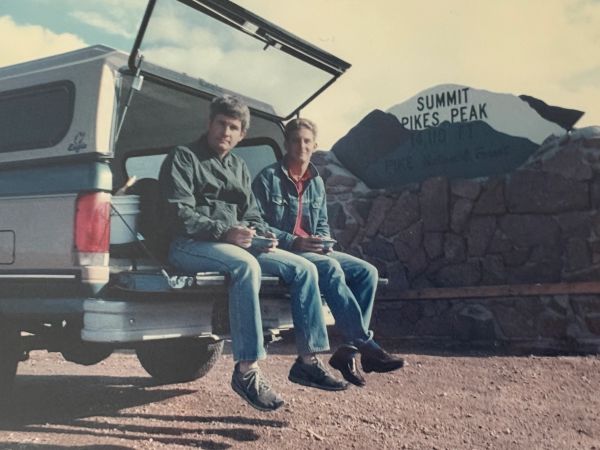
A: I've been around technology from the very beginning of my career. At Lehigh, I learned how to use computers when we still had to use punch cards and punch card readers. When I went to Cambridge, they were using machines that recorded information on paper tape with little holes punched into it. Before magnetic tape and all the technology we have today, that was how they stored data. Sometimes an insect would get into one of the machines and block a hole, which could make the program stop working. That's actually where the idea of having a “bug” in a computer program came from. I also learned how to use microscopes and other laboratory technology while studying physiology. I still have one of the microscopes from the lab that we used to teach medical students. I've gotten to see technology develop from punch cards and paper tape all the way to artificial intelligence. At 82, I'm fascinated by it, especially AI. It's pretty amazing to have seen all of that happens.
Q: Who is one person who inspired you when you were younger? Either famous or personal.
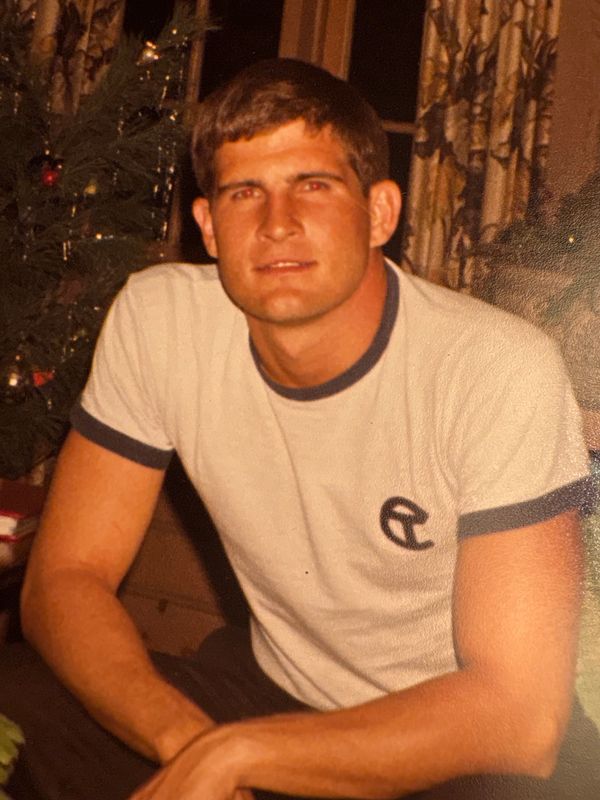
A: My uncle was probably my biggest inspiration. He was a professor at Berkeley, but he was also a real adventurer. When he was a graduate student at Harvard, he and a friend traveled to the headwaters of the Amazon, built a raft, and floated down the Amazon collecting animals.
Their raft was eventually destroyed going over a waterfall, but they survived and continued down the river. Later, my uncle and his family lived in the Andes while he studied mammals. They even rebuilt a school bus so they could live and travel at high altitude.
My biology professor at Lehigh was another huge influence. He gave me the opportunity to become a biologist, and I owe him a lot.
Q: Describe one of the best days you can remember?
A: One experience I remember especially fondly was spending Christmas in Florida during my Peace Corps training. We were learning how to speak Palauan while also learning how to teach English.
Because my family still had a house in Fort Lauderdale, I was able to bring some of our language teachers there for Christmas. I had an outboard motorboat, and we could go out on the water. It was a lot of fun and almost felt like we were already living in Palau. Another special experience was returning to Palau years later and meeting my former students and their children. Seeing how well they had done was really meaningful.

Q: What is one major event in your lifetime that stands out — either personal or global?
A: The Vietnam War stands out because it directly affected my life. I was faced with the possibility of being drafted after Yale, so I joined the Peace Corps. I ended up in Palau teaching English. It was a tiny island with only about 50 people. I taught about 12 children, and they became so good at English that many went on to get some of the best jobs in the city. Years later, I went back and met some of my former students, who were now adults with families of their own. That was incredibly rewarding.
Q: Other than raising your family, what do you feel has been your greatest achievement in life?
A: I think the biggest thing was changing the direction of my life and becoming a biologist. I was selling wood products for my dad, but I realized that wasn't what I wanted to do. I went to Lehigh, walked into the biology professor's office, and said, “I want to study biology.” He let me enroll as a graduate student instead of making me start over as a freshman. That decision eventually led me to research and to Cambridge. It completely changed my life.
Q: Is where you are in life today what you would have imagined for yourself when you were in high school?
A: In some ways, yes. I knew I liked science when I was young. I liked biology, chemistry, and math, and I was even a teaching assistant in chemistry in high school. But I certainly didn't imagine the path I would take. I went to Yale, majored in history, joined the Peace Corps, worked in a mental hospital, sold wood products, and eventually became a biologist and went to Cambridge. The destination made sense, but the route was definitely not what I expected.
Q: What has been your biggest regret?
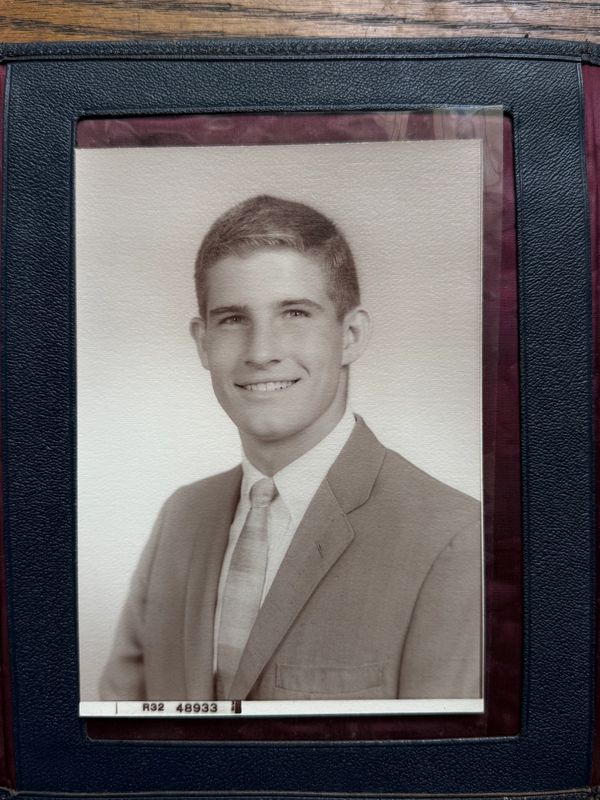
A: Probably going to Yale. It cost my parents a lot of money, and when I graduated with a degree in history, I still wasn't sure what I wanted to do with it. I didn't want to become a history teacher, and I had given up on biology after my first year. Looking back, I think those four years were an expensive mistake. I went there for some of the wrong reasons, including thinking that being a Yalie would make me more attractive to girls. But I don't regret everything that came from it. Yale eventually led me to the Peace Corps, and the Peace Corps became part of the path that brought me to Lehigh and biology. So even though something can seem like a mistake at the time, it can sometimes lead you somewhere much better.
Q: Have you ever had to take a big risk or sacrifice in order to achieve your dreams and goals?
A: Yes. Leaving the path I was on was a pretty big risk. I could have stayed working for my dad selling wood products and probably made a good living, but I knew I really wanted to be a biologist. I had majored in history at Yale and had almost no biology courses, so going to Lehigh and asking to study biology wasn't the normal path. Luckily, the professor took a chance on me, and I took a chance on myself. I eventually earned my master's degree and went directly into a PhD program at Cambridge. Looking back, it was one of the best decisions I ever made.
Q: What advice would you offer me as I look toward college and building my own future? A: Figure out what you actually like to do. Don't choose something just because it sounds impressive or because other people think it's impressive. I made that mistake with Yale. My parents were proud that I got in, but it wasn't the right place for me.If you have an idea of what interests you, find a place where you can pursue it and find someone who can help you get there. That's what worked for me at Lehigh. I simply went to the biology professor and told him, “I want to study biology.” That decision changed my life, and it was the best academic decision I ever made.