Interview With Gay


Q: Where and when were you born?
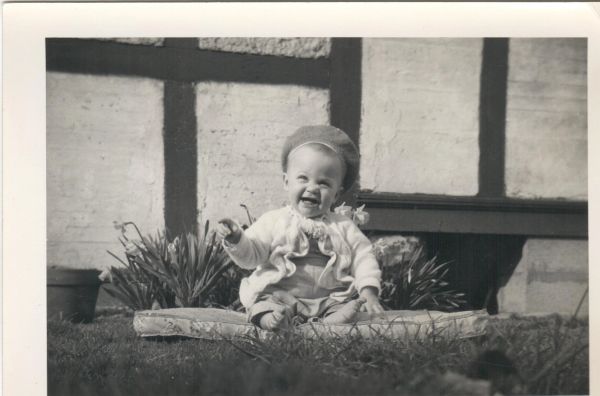
A: I was born in New London, Connecticut, on August 9, 1951. My parents were living in Cleveland, Ohio, at the time, but my mother returned to New London so she could be near her mom. When my father found out I was born, he drove all the way from Cleveland to see me through a hospital window before returning home.
Q: Where did you grow up?
A: I lived in Ohio for a short time, but we moved to Durham, New Hampshire, where I grew up. My dad worked for the Council on World Affairs, which educated people about international issues. Later, he bought a bankrupt newspaper and turned it into a very successful weekly newspaper. Eventually, he sold it, and he and my mother bought a sailboat and spent a year sailing around the Caribbean.

Q: What is your earliest childhood memory?
A: I remember having nightmares when I lived in Ohio. My bedroom was at the top of the stairs, and there was a screen door at the bottom that my mother would leave open because there was no air conditioning. I remember dreaming about a monster scratching at the screen door. I think some of my anxiety came from my dad traveling a lot for work.
Q: Who inspired you when you were younger?
A: My father inspired me the most. He enjoyed life and wasn't afraid to take risks. He bought a newspaper, sailed around the Caribbean for a year, and continued traveling and visiting family even while he was seriously ill with cancer. I admired how he used what he had to enjoy life instead of just dreaming about doing things.
Q: What was school like for you growing up?
A: I went to school in Durham and Derry, New Hampshire, but I felt a little out of place. Only about 10–20% of students went to college, and many people stayed in the area to work in family businesses or farming. I really wanted to leave and have more opportunities. My dad was also very involved in the community and wrote about issues like racial discrimination.
Q: Where did you go to college and what did you study?
A: I went to Colby College in Maine and studied English and classics, including ancient Greek and history. It was during the Vietnam era, so there were a lot of protests and activism on campus. I remember students marching through town carrying pine coffins as part of the protests.
Q: What was your first job?
A: I worked for my dad’s newspaper, developing pictures in his darkroom and sometimes doing reporting. I was shy, so I didn't really like interviewing people on the street. I also did babysitting when I was younger, which was pretty common at the time.
Q: What did you do after college?
A: I moved to Boston and worked as a receptionist at an accounting firm in a large skyscraper. Later, I wanted to return to school and study English more seriously, so I applied to Harvard's graduate program. I stayed for about a year, but it was very intense, and I realized that getting a job with a PhD in English would be difficult.
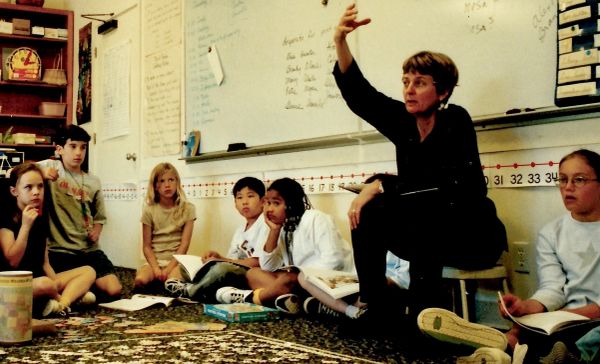
Q: What was one of your greatest achievements? A: Besides raising A: my family, I think teaching was one of my greatest achievements. I taught third grade and really loved working with children. I still give tours for kids at a science museum, and I think being able to connect with children is one of my greatest gifts.

Q: How did you meet your husband?
A: I met my husband, Alan, at Harvard, where he was studying economics. He used to come eat in the dining room of my dorm, which was a women's dorm at the time. We started living together fairly early in our relationship. While he finished his PhD, I worked as a research assistant for consulting firms.
Q: Where did you decide to settle and why?
A: We moved based on his career. He first got a job at the University of Pennsylvania, so we lived in Bryn Mawr, Pennsylvania, near Villanova. Later, he got an offer from the University of California, Berkeley, which we couldn't refuse, so we moved to California.
Q: What was raising a family like for you?
A: Raising my children was very meaningful, but the teenage years could also be difficult. I eventually stopped teaching so I could spend more time with my children when they were struggling. Looking back, I am glad I was able to be there for them, even though those years were sometimes very challenging.
Q: How has technology changed your life?
A: Technology has been incredibly helpful, especially with genealogy. What used to require going to libraries and town halls can now be researched online or with AI very quickly. However, I think some of the fun is lost because technology can find the information and even create family stories for you. I enjoy finding the facts myself and turning them into stories.
Q: Do you feel technology makes people more or less connected?
A: I think technology can help people stay connected, especially through things like Zoom when family members live far away. However, I don't use social media and worry about how dependent younger generations have become on phones and social media. I think we are still learning how growing up with so much technology will affect people.
Q: What major event in your lifetime stands out to you?
A: Watching the World Trade Center towers collapse on TV during 9/11 is something I will never forget. I was in California and was woken up early that morning before turning on the television. On a personal level, being with my parents when they died was also very meaningful and difficult.
Q: What is one of your happiest memories?
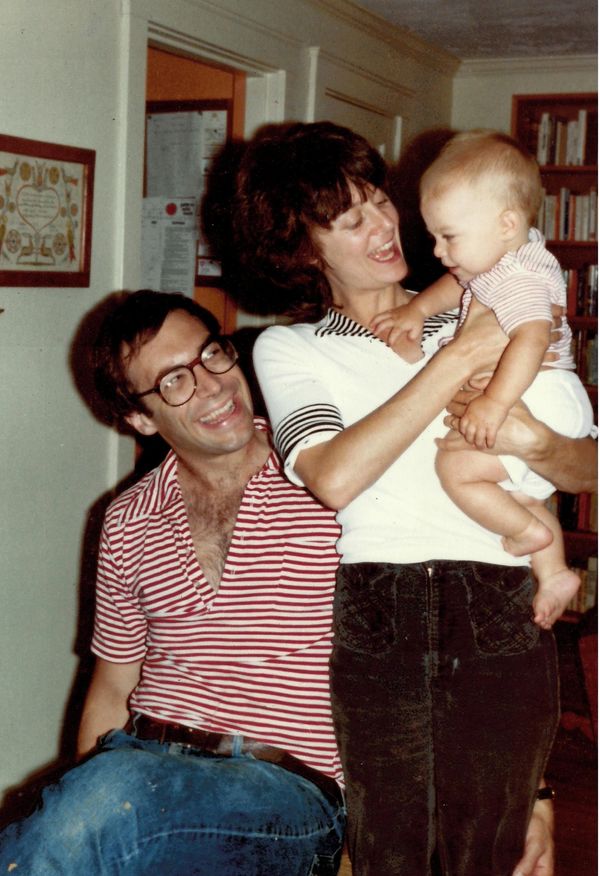
A: Some of my happiest memories are simple family moments, like taking my children to an apple orchard and picking apples together. I love the humor of a family and laughing together. Those ordinary moments can be some of the best memories.
Q: Do you have any regrets?
A: I sometimes wish I had been a little more ambitious, especially with my writing and career. I also wonder if I should have continued working longer. However, I chose to spend more time with my children when they were struggling, and I don't regret being there for them.

Q: What is a piece of advice you live by?
A: My grandmother used to say, “Getting old is not for cowards.” I think that is very true. Aging can be difficult, but you have to keep going and continue enjoying your life. I think that is something I learned from both my grandmother and my father.
Q: What advice would you give to me as I plan my future and prepare for college?
A: Think about what you truly want, but remember that there are many ways to have a fulfilling life. Women today have more opportunities to choose careers, families, or both. You don't have to follow one specific path to have a happy life, and it is okay if your life doesn't turn out exactly as you expected.